Choosing a sofa or couch is one of those big decisions that change the feel of a living room. For many people, a leather couch feels like the ultimate upgrade. It promises style, durability, and a certain timeless appeal. But before anyone rushes out and buys one, it helps to look deeper at what living with leather furniture is really like.
This article breaks down the real pros and cons of leather couches, including things that often get left out of the conversation. From how they wear over time to cleaning tips and the best brands worth considering, this guide covers it all in a way that’s easy to understand and practical for everyday life.
Why Leather Couches Are So Popular
Leather furniture has been a design staple for decades. Even as new materials and fabric options hit the market, leather remains a top choice for many designers, homeowners, and interior shoppers.
Here are a few strong reasons why this remains true:
- Classic Look: Leather instantly gives a room a refined, polished feel. It fits seamlessly into both traditional and modern spaces.
- Longevity: Many leather couches can last for years if cared for properly.
- Comfort That Improves Over Time: Real leather tends to soften and develop character as it ages.
- Easy To Wipe Clean: Unlike many fabrics, spills and messes are often easier to manage on smooth leather surfaces.
But just like anything else, leather has both upsides and downsides. The following sections go into the details that most people only learn after they already have a couch at home.
Pros Of Leather Couches
Let’s start with the good stuff. Leather has a lot going for it, and many of these advantages are what keep people coming back to it again and again.
1. Timeless Style That Works With Many Interiors
Leather furniture rarely goes out of style. Whether the rest of a room is sleek and modern or cozy and traditional, a leather sofa often fits right in. From rich brown tones to deep black and even softer colors like cream or tan, leather couches can become a focal point of a room without feeling like a trend that will soon fade.
Recommended Classic Pieces:
- West Elm Harris Leather Sofa. A clean silhouette with a rich leather finish that suits many spaces.
- Crate & Barrel Lounge Leather Sofa. Known for comfort and lasting quality.
- Article Sven Charme Tan Sofa. A fan favorite for modern spaces.
These pieces show how leather can feel both updated and timeless at the same time.
2. Durability And Longevity
One of the biggest reasons people choose leather is how well it ages. High-quality leather can take years of use and still look good. Leather resists wear better than many fabrics. It doesn’t tear easily and doesn’t fade as quickly under everyday use. In many cases, a leather sofa continues to look better as it gets older, developing small wrinkles and a patina that gives it character. If buying furniture feels like an investment, leather is often a top choice.
3. Easy Cleaning For Everyday Messes
Whether it’s a coffee spill, pet hair, or dusty fingerprints, leather is forgiving when life gets messy. Unlike fabric upholstery, it’s usually not necessary to run the vacuum over every nook and cranny. Many spills can be wiped away with a damp cloth in moments, and regular cleaning requires just a soft brush or cloth. That makes leather especially appealing for busy homes, families with kids, or anyone who wants a couch that’s lower maintenance.
4. Comfort That Improves With Age
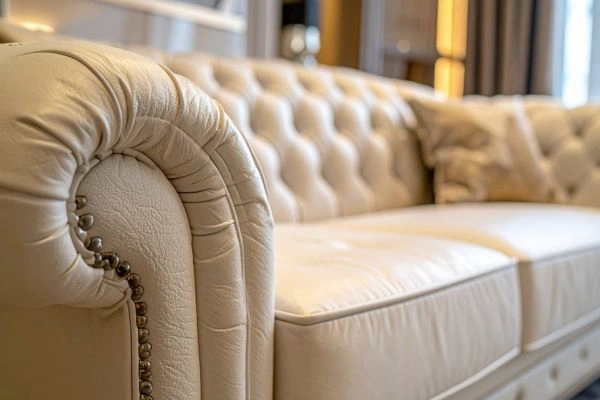
Real leather changes over time. Instead of looking tired or worn, it tends to soften and become more comfortable. Many people describe their leather couches as feeling more inviting with use. The material warms up with body heat and begins to feel more personal and familiar. That isn’t something you get with every fabric sofa, and it’s a reason leather often ends up feeling more luxurious over time.
5. Hypoallergenic Benefits
For people who are sensitive to dust mites, pollen, and other allergens, leather can be a better choice than fabric. Because the surface doesn’t trap particles as easily, it’s often easier to keep clean and be more allergy-friendly with regular wiping and gentle maintenance.
Cons Of Leather Couches
Of course, leather isn’t perfect for everyone. There are drawbacks to know about, especially before making a big purchase.
1. Price Can Be Significant
One of the first things people notice about leather furniture is the cost. Leather couches are often more expensive than their fabric counterparts. High-grade genuine leather is a premium material, and that premium is reflected in the price. For budget shoppers, this means leather might not be the first pick unless saving on something else is part of the plan. Lower-priced options or bonded leather may help, but these options can come with their own trade-offs (more on that later).
2. Temperature Sensitivity
Leather reacts to the temperature of a room more than fabric. In hot weather, it can feel sticky and warm against the skin. In cold weather, it can feel cool or even chilly when first sitting down. Some people don’t mind this, but others find it uncomfortable enough to choose fabric instead. Wool throws, blankets, and cushions can help offset this issue, but it’s something to keep in mind.
3. Scratches And Marks Are More Noticeable
Leather shows wear in its own way. While a patina can be a positive, scratches and marks can become visible over time. Pets with sharp claws, rough clothing, or hardware from everyday activity can all leave marks. On some leather types, these marks blend into the character of the piece. On others, they stand out. If mystery and imperfection aren’t part of the appeal, leather may feel high-maintenance.

4. Color Choices Are Often Limited
Leather tends to be strong in rich neutrals like black, brown, tan, and cream. Bright and bold colors are not as widely available. That means if someone wants a statement color like emerald green or deep blue, fabric couches often have more variety. Leather can be dyed in many shades, but buyers are usually limited to a smaller set of tones compared to fabric upholstery.
5. Cleaning Requires Specific Products
While everyday messes wipe up easily, deeper cleaning may require special leather cleaners or conditioners. Water alone isn’t always enough, and harsh soaps or cleaners can damage the finish. Many experts recommend conditioning leather every six months to keep it from drying out and cracking. That means another item on the to-do list for maintenance.
How To Choose The Right Leather Couch
Choosing any sofa involves thinking about lifestyle, space, and preferences. With leather, there are a few extra considerations that help buyers choose wisely.
1. Know The Types Of Leather
Not all leather is the same. Here are common types seen in furniture:
- Full Grain Leather. This is the highest quality leather, showing natural marks and textures. It ages beautifully over time.
- Top Grain Leather. It is slightly more processed than full-grain leather, yet still offers high quality and lasting durability.
- Genuine Leather. A wide-ranging term that includes several grades. It’s real leather, but often has more processing.
- Bonded Leather. Pieces of leather bonded with polyurethane. Less expensive but also less durable.
When budgeting, balancing quality with price is key. Full and top-grain leathers tend to perform better long-term.
2. Consider Room Size And Style
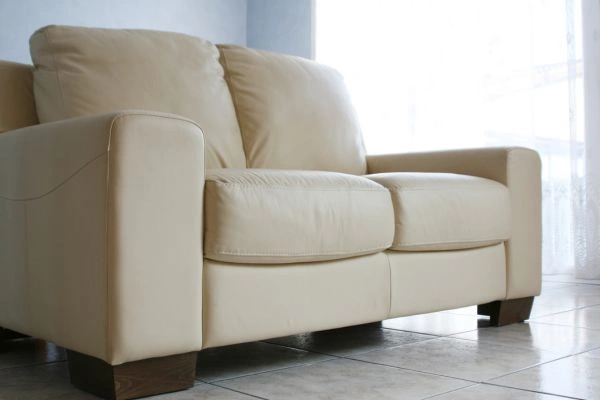
Leather couches come in many styles, from sleek and modern to bulky and oversized. In smaller living rooms, a large leather sectional might overpower the space. A mid-size sofa or loveseat could be a better choice. In open floor plans, a bold leather piece can anchor the room. Matching the couch to the room’s lighting is helpful, too. Dark leather can feel cozy in bright spaces but heavier in small, dim rooms.
3. Compare Features And Comfort
Comfort is personal. Some leather couches feel firm out of the box and soften over time. Others are cushy right away. When possible, try seating options in stores or read detailed comfort reviews online. Look for couches with supportive cushions and durable stitching.
4. Think About Maintenance
If quick cleanup and low-effort maintenance are priorities, leather may be very appealing. But keep in mind that conditioning and gentle cleaning do take ongoing, brief attention. Some families prefer fabric couches that they can unzip and wash, while others like the quick wipe-down nature of leather.
Everyday Leather Couch Care Tips
Leather doesn’t demand constant attention, but a few simple habits extend its life and keep it looking its best:
- Wipe Spills Sooner Rather Than Later. A damp cloth usually works well for common spills.
- Dust regularly. A soft cloth or brush prevents dust from building up.
- Avoid Harsh Cleaners. Only use products made for leather furniture.
- Condition Every Few Months. Helps keep the material soft and prevents it from drying out.
- Keep Out Of Direct Sunlight. Too much sun can fade color over time.
Leather Couch Styling Ideas
Leather doesn’t just have to be a seat. With the right look, it can set the tone for a whole room.
Cozy Modern Living Room
Pair a cream leather sofa with soft wool blankets and textured pillows. Add a natural wood coffee table and a large area rug to soften lines and bring warmth.
Minimalist Space
A black leather sectional with metal legs looks sharp in a space with clean lines and simple decor. Keep accessories minimal to let the couch stand out.
Traditional And Elegant
A chocolate brown leather sofa pairs well with brass-tone accents like lamps and framed art. Add velvet cushions for a mix of texture.
Contemporary Chic
Try a tan leather sofa with bold colored pillows and a glass coffee table. This look balances modern and classic elements.
Top Recommended Leather Couches Worth Considering
Here are some leather couches that combine style, comfort, and value:
1. West Elm Harris Leather Sofa
A well-liked choice for its balanced design and quality. It works in many room styles.
2. Crate & Barrel Lounge Leather Sofa
Soft and inviting, ideal for everyday comfort without looking sloppy.
3. Article Sven Charme Tan Sofa
A modern silhouette with an inviting seat that feels just as good as it looks.
4. Joybird Eliot Leather Sofa
Mid-century inspired and customizable in many leather tones.
5. Pottery Barn Turner Leather Sofa
Built to last and often viewed as a piece that can stay in a home for many years.
Leather Vs Fabric Sofas: Key Differences
A quick comparison helps many buyers decide:
- Appearance: Leather feels more formal and polished, and fabric can be cozy and casual.
- Maintenance: Leather wipes clean, fabric may need deeper cleaning.
- Durability: Leather often outlasts fabric in everyday wear.
- Comfort Fabric is more consistent in temperature; leather can shift with heat and cold.
Both have a place in home design. The best pick depends on personal lifestyle and priorities.
When Leather Might Not Be The Best Option
Leather is excellent for some lives but not all:
- People who want bright, bold colored sofas.
- Those who never want to worry about temperature sensitivity.
- Shoppers are on very tight budgets.
- Homes with pets that scratch furniture often.
In these cases, high-quality fabric upholstery might be a better fit.
Is A Leather Couch Worth It? Final Thoughts To Know
Leather couches combine style, durability, and a long life span in a way that few other furniture choices can match. They stand up to everyday use, age with character, and quickly become comfortable favorites in a home. That said, they are not perfect for every situation. Their cost, sensitivity to temperature, and need for occasional care make it important to choose wisely based on lifestyle.
In the end, knowing both the upsides and downsides helps anyone make a confident choice that fits their space and needs. For many people, a leather couch becomes a centerpiece of their home, offering both beauty and function for years to come.