Sleep experts and everyday sleepers are talking about something most people barely notice until it becomes a problem. It is not the mattress. It is not even the pillow itself. It is the pillowcase. The fabric your face and head rest on every night plays a real role in comfort, temperature control, skin and hair health, and overall sleep quality. What feels like a small detail can shape how quickly sleep comes, how often you wake up, and how refreshed you feel in the morning.
Recent reviews, expert guidance, and sleep research point to the same conclusion. Choosing the right pillowcase material and caring for it properly can help regulate temperature, reduce irritation, and create a cleaner sleep surface. It can also support healthier hair and skin over time. This article shares essential pillowcase tips, explaining why they matter more than most people think and how to choose one that fits your sleep habits and lifestyle.
The Basic Role Of A Pillowcase
A pillowcase does far more than protect a pillow or match the rest of the bedding. It is the closest fabric to your skin and hair for six to eight hours each night. During that time, it:
- Holds sweat, body oils, skincare products, and hair products
- Traps heat and moisture near the face and scalp
- Collects dead skin cells, dust, and allergens
- Can harbor bacteria if not cleaned regularly
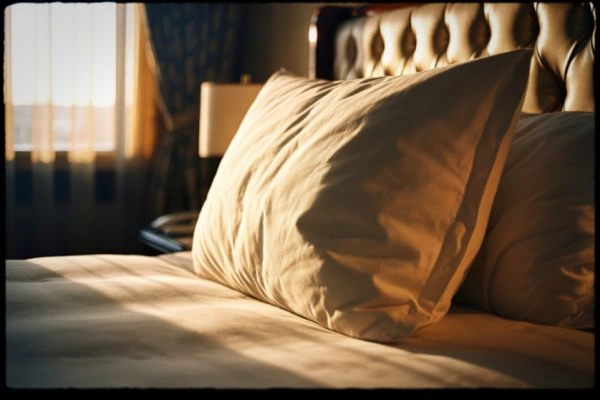
Over time, this buildup can affect both comfort and hygiene. A pillowcase that holds too much heat or moisture may cause restlessness, night sweating, or irritation. A fabric that traps oils and bacteria can contribute to clogged pores, breakouts, or scalp issues.
Sleep specialists often recommend washing pillowcases at least once a week. People with sensitive skin, oily hair, acne-prone skin, or allergies may benefit from changing pillowcases every few days. Regular washing helps reduce buildup and keeps the sleep surface fresh and comfortable.
How Pillowcase Fabric Affects Sleep
Not all pillowcases perform the same way. The fabric determines how the surface feels, how it handles heat and moisture, and how it interacts with skin and hair. The best option depends on individual priorities such as cooling, softness, durability, or beauty benefits.
Breathability And Temperature Management
Breathability indicates how easily the fabric allows airflow. This directly affects temperature control during sleep. Pillowcases made from breathable materials allow heat and moisture to escape instead of trapping them near the head.
Cotton, linen, and bamboo-based fabrics are known for good airflow. They help regulate temperature by allowing sweat to evaporate rather than build up. This can make a noticeable difference for people who wake up feeling hot or damp during the night.
Some natural fabrics, such as silk, feel cool to the touch and can reduce the sensation of heat at first contact. However, silk does not absorb or wick moisture as effectively as cotton or plant-based fibers. For hot sleepers or those in warm climates, moisture control can matter just as much as surface temperature.
Discussions among sleepers often point out that crisp cotton weaves or linen pillowcases improve airflow and reduce night sweats. These fabrics may not feel luxurious at first touch, but they often perform better over long sleep periods.
Friction With Hair And Skin
The texture of a pillowcase affects how much friction occurs as you move during sleep. Friction happens every time the head shifts position. Over months and years, this repeated movement can affect hair and skin.
Rougher fabrics, including basic cotton with a coarse weave, can tug on hair strands. This can lead to frizz, tangles, split ends, and breakage, especially for people with curly, fine, or chemically treated hair.
Smooth fabrics like silk and satin reduce friction. Hair glides across the surface instead of catching. This is why these materials are often recommended for hair care. Less friction can also mean fewer sleep creases on the face. While these lines are temporary, repeated pulling on delicate skin may contribute to visible lines over time.
Oil And Moisture Absorption
Another key difference between pillowcase materials is how much oil and moisture they absorb. Cotton and linen are absorbent by nature. They pull sweat and oils away from the skin, which can feel cooling and dry.
However, absorbent fabrics also draw natural oils and skincare products away from the skin and hair. This can leave hair dry and skin less hydrated by morning.
Silk and satin absorb far less moisture. They allow natural oils and applied products to stay on the skin and hair rather than soaking into the fabric. This is one reason these materials are often linked to smoother hair and softer skin.
Popular Pillowcase Materials And What They Offer
Each pillowcase material has strengths and drawbacks. Understanding these factors allows you to pick the right choice.
Cotton
Cotton is the most common pillowcase material. It is widely available, breathable, and easy to care for.
Key Characteristics
- Breathability: Excellent
- Feel: Soft and familiar
- Care: Machine washable and durable
- Ideal For: Most sleepers
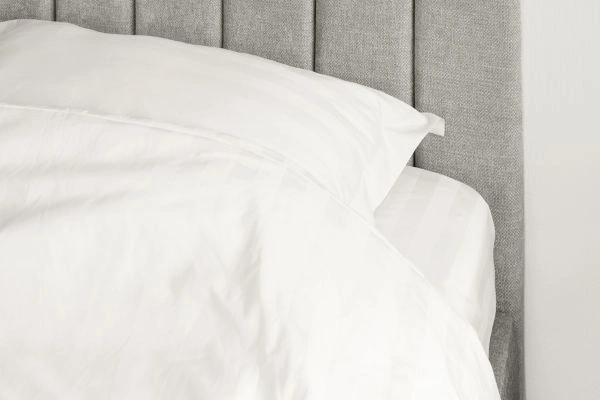
Long-staple cotton and organic cotton often feel smoother and last longer than basic cotton. Cotton percale, known for its crisp weave, is especially popular among people who prefer a cool sleeping surface. Cotton sateen, with its smoother finish, feels softer but may retain more warmth.
Silk
Silk pillowcases are often chosen for their smooth texture and skin and hair benefits. The fibers create a low-friction surface that reduces pulling during sleep.
Pros
- Very low friction for hair and skin
- Absorbs less moisture than cotton
- Helps hair retain smoothness and shine
- Gentle on delicate facial skin
Cons
- Higher price range
- Requires gentle washing or hand care
- Slippery feel may not appeal to everyone
Mulberry silk is the most common type used for pillowcases and is often recommended for durability and softness.
Satin
Satin refers to a weaving method rather than a fiber. Satin pillowcases are usually made from synthetic materials like polyester.
Pros
- Smooth surface similar to silk
- Helps reduce hair frizz and breakage
- More affordable than silk
Cons
- Less breathable than natural fibers
- Can trap heat for some sleepers
- Quality varies depending on construction
Satin pillowcases are frequently recommended as a budget-friendly alternative for people focused on hair care benefits.
Linen
Linen is made from flax fibers and has a textured, natural feel. It may not feel smooth at first, but it offers excellent airflow.
Pros
- Exceptional breathability
- Ideal for hot sleepers
- Durable and long-lasting
- Softens with repeated washing
Cons
- Rougher texture initially
- Wrinkles easily
Linen pillowcases are often favored in warm climates or by sleepers who overheat easily.
Bamboo And Tencel
Bamboo and Tencel are plant-based fabrics praised for softness and moisture control.
Pros
- Highly breathable
- Moisture-wicking
- Naturally hypoallergenic
- Gentle on sensitive skin
Cons
- Quality depends on processing and blends
These fabrics often feel silky without the maintenance needs of silk, making them appealing for people who want cooling comfort with easy care.
Side-By-Side Material Comparison
| Material | Breathability | Skin And Hair Benefits | Ease Of Care | Cost |
|---|---|---|---|---|
| Cotton | High | Moderate | Easy | Low to Moderate |
| Silk | Medium | High | Gentle Care | High |
| Satin | Medium | Moderate | Easy | Low to Moderate |
| Linen | Very High | Moderate | Easy | Moderate |
| Bamboo Or Tencel | High | High | Moderate | Moderate |
How Pillowcase Choice Connects To Sleep Quality

Sleep quality depends on more than a mattress and pillow. The surface touching your skin influences comfort, temperature stability, and sensory feedback.
A pillowcase that traps heat can lead to frequent waking and tossing. One that holds moisture may feel clammy by morning. Rough textures can cause irritation that subtly disrupts rest.
On the other hand, a breathable, comfortable pillowcase helps maintain a stable sleep temperature and reduces sensory discomfort. Over time, this can support deeper, more consistent sleep.
Tips For Taking Care Of Pillowcases
Even the best pillowcase needs proper care to perform well.
- Wash pillowcases at least once a week
- Use a gentle, fragrance-free detergent to avoid residue
- Wash silk and satin in a mesh bag on a delicate cycle
- Avoid fabric softeners on breathable fabrics
- Rotate between two or more pillowcases to extend the lifespan
Clean pillowcases not only feel better but also support healthier skin and hair.
Pillowcase Fit And Pillow Compatibility
A pillowcase should fit snugly without excessive fabric bunching. Oversized cases can wrinkle and shift, increasing friction. Tight cases may compress the pillow and affect support.
Standard, queen, and king sizes vary slightly by brand, so checking measurements helps ensure proper fit. Envelope closures or zippered designs help keep pillows in place and maintain a smooth surface throughout the night.
Environmental And Sustainability Considerations
Some sleepers consider sustainability when choosing bedding. Organic cotton, linen, bamboo, and Tencel are often marketed as eco-friendly options. These materials may use fewer chemicals or renewable resources during production.
Durability also matters. A pillowcase that lasts longer reduces waste and replacement frequency. Higher-quality fabrics often hold up better over time.
Common Pillowcase Questions
Should Pillowcases Be Changed Every Week?
Yes. Most sleep and skincare experts recommend washing pillowcases weekly. More frequent changes may help those with acne, allergies, or heavy nighttime sweating.
Do Silk Pillowcases Really Help Hair?
Yes. Many people experience less frizz and breakage with silk or satin because the smooth surface reduces friction compared to cotton.
Will Pillowcases Prevent Wrinkles?
No pillowcase can stop wrinkles entirely. However, smoother fabrics may reduce sleep lines caused by repeated friction against the skin.
What Material Is Best For Hot Sleepers?
Cotton, linen, and bamboo-based fabrics usually offer the best airflow and moisture control. Linen provides the highest breathability, while bamboo offers a softer feel.
Are Expensive Pillowcases Worth It?
The value depends on priorities. For people focused on hair and skin benefits, higher-quality silk or bamboo may be worth the cost. For general comfort, well-made cotton can be enough.
Pillowcase Tips That Transform Your Sleep Routine
A pillowcase may seem like a minor part of a bed setup, but it plays a daily role in comfort, hygiene, and sleep quality. The right fabric can help regulate temperature, reduce irritation, and support healthier hair and skin. Combined with regular washing and proper fit, a thoughtfully chosen pillowcase can noticeably improve how sleep feels night after night.
Whether the preference is breathable cotton, cooling linen, smooth silk, or soft bamboo, the right pillowcase helps create a cleaner, more comfortable sleep surface and supports better rest over time.